Kilmanivaig
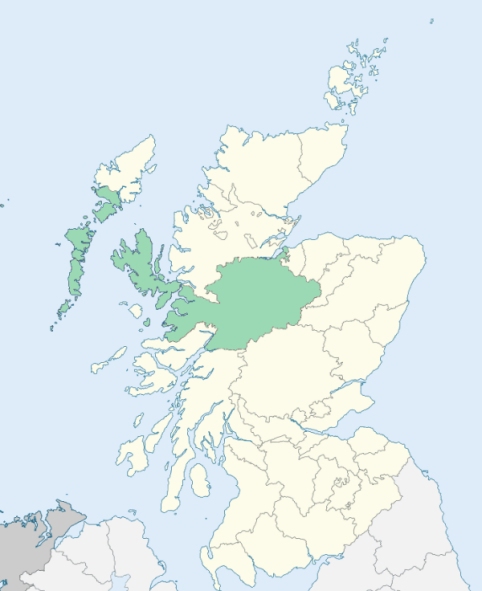
Kilmonivaig is a Highland parish a little west of the centre of Inverness-shire. It extends quite across the country, from Fortingall in Perthshire to Kintail in Ross-shire, and is elsewhere bounded by the parishes of Kilmalie, Glenelg, Boleskine, and Laggan. (1867: The Imperial Gazetteer of Scotland, by John Marius Wilson).
Achluachrach, Bohenie, Bohuntine, Brackletter, Bridge of Nevis, Bridge of Roy or Bunroy, Corrour, Inchlaggan, Invergarry, Inveroy, Laggan, Leckroy, Letterfinlay, Mandally, Murlaggan, Roybridge, Spean Bridge or Unachan, Stronenaba
Glenfintaig, Invergarry, Keppoch or Kippoch
Part of the parish of Kilmallie was separated from the remainder by a small intervening portion of Kilmonivaig. This intervening portion of Kilmonivaig has been transferred to Kilmallie. The part so transferred is situated on Loch Linnhe between the River Lochy and the River Nevis, and is bounded on the east by the march of Mrs. Cameron Campbell's property. See affected properties and landholders. (1892: Boundary of counties and parishes in Scotland as settled by the Boundary Commissioners under the Local Government Act, 1889, by Hay Shennan)
PRE-REFORMATION GOVERNANCE:
POST-REFORMATION GOVERNANCE:
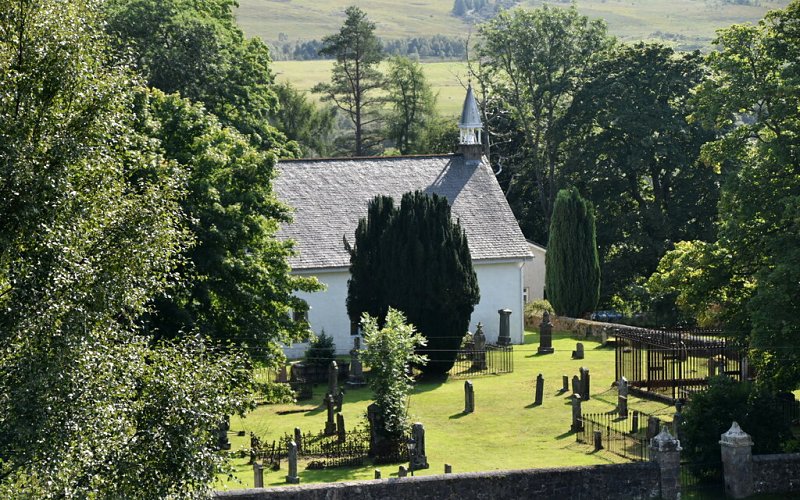
The church of Kilmonivaig was dedicated to St Naomhan, Abbot of Lismore. A Rood Fair was held in the parish in September. There is now a mission chapel in Brae Lochaber. No minister seems to have been settled here until 1720, when it was reported there was neither manse, land, kirk, nor competent stipend.
Disjoined Quoad Sacra Parishes:
Glengarry. The parish of Glengarry was disjoined from Kilmonivaig, Boleskine, and Glenelg, and erected 13 March 1867. There are mission chapels within the bounds at Glenquoich and Tomdoun.
Includes ministers, licentiates, assistants, readers, and clerks.
Kilmonivaig (QO)
Glengarry (QS)
(1928: Fasti Ecclesiæ Scoticanæ, by Hew Scott, D. D.)
Parish registers turned over to the Registrar-General, as a result of the Registration of Births, Deaths, and Marriages (Scotland) Act of 1854. The letters B. D. and M. indicate Births (or Baptisms), Deaths (or Burials), and Marriages (or Proclamations of Banns) respectively. Numbers indicate separate volumes or books. Note: These records are by no means complete or without damage; consult the Detailed List of the Old Parochial Registers of Scotland (1872) to learn more about the condition of the records.
| OPR and RD Numbers | |||
|---|---|---|---|
| Date Range | Name | Number | Type |
| 1730-1854 | Kilmonivaig | 99 | OPR |
| 1855-1855 | Kilmonivaig | 99 | RD |
| 1856-1970 | Glengarry | 99-1 | RD |
| 1856-1970 | Lochaber | 99-2 | RD |
| 2009 | (Lochaber) Highland Council, Fort William and Ballachulish | 239 | RD |
| 2009 | (Glengarry) Highland | 235 | RD |
| 2026 | (Kilmonivaig) Highland Council; Spean Bridge, Roy Bridge and Achnacarry Community Council | ||
| 2026 | (Glengarry) Highland Council; Glengarry Community Council | ||
| 2026 | (Lochaber) Highland Council; Lochaber Committee | ||
(2009: Parishes and Registration Districts of Scotland - Old and New, National Records of Scotland)
Local community councils (2026) are provided as a potential source of additional information for settlements within the original boundaries of the parish. (Source)
Statistics from informal and official censuses
Cameron, Campbell, Fraser, Gillies, Grant, Kennedy, MacDonald, MacKintosh, Ross, Stewart
Note: Names appearing in research materials, other than censuses. Simple names (First name, surname only) have been omitted unless they appear associated with large properties. All women's names, and men's names with occupations, military ranks, or peerage titles are included.
By the Reverend Mr Thomas Ross, Minister.
"The number of inhabitants amounts to about 2400, of whom about 1200 are Protestants, and 1200 Roman Catholics. The same hospitality which characterised the ancient Caledonians, of whom they may be considered the genuine descendants, continues to be practiced. Another qualification which they have derived from their ancestors, and which they possess, in a considerable degree, is courage. Civilization and industry are making daily progress; and were they set upon a proper plan, and had due encouragement they would become as flourishing as their local situation would permit. The Gaelic is the language of the natives, who speak it in as great purity as in any part of the Highlands. Many of them understand the English language, and speak it with accuracy."
(This section contains excerpts, at times restructured or paraphrased, from an article appearing in Statistical Account of Scotland, Sir John Sinclair, 1791-1799)
Primary Sources:
Statistical Account of Scotland (1791-1799), Volume 17, p. 543
New Statistical Account of Scotland (1834-1845), Volume 14, Section I, p. 503
See Parish Page Sources for all source information and links.