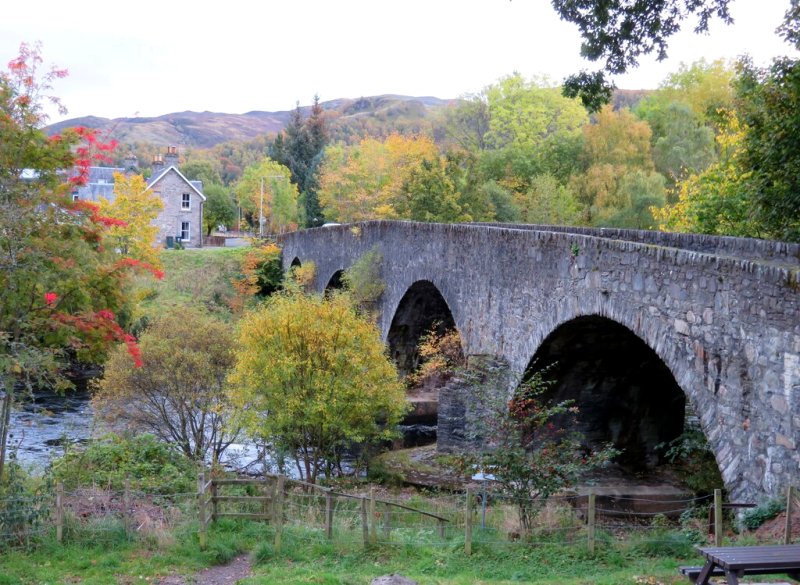
Kilchonain in Rannoch
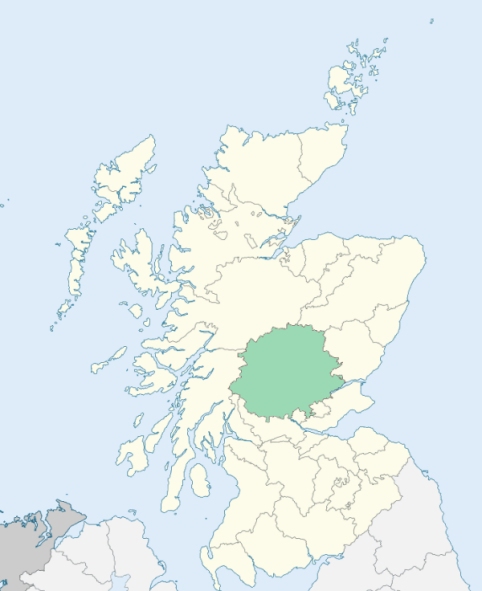
Kinloch Rannoch, or Kinlochrannoch, is a parish in the northwest of Perthshire, on both banks of the Dubhag, or Tummel. (1892-6: Ordnance Gazetteer of Scotland, by Francis H. Groome).
Achtarsin, Aulich, Camgoran, Innerhadan, Killichonan, Kinloch, Lassantullich, Learan
Ballied, Seggieden
The northern part of Kinloch, consisting of the lands of Cochrage and Blackcraig, has been transferred to the parish of Blairgowrie. Caputh detached No. 7 has been annexed to the parish of Kinloch. See affected properties and landholders. (1892: Boundary of counties and parishes in Scotland as settled by the Boundary Commissioners under the Local Government Act, 1889, by Hay Shennan)
PRE-REFORMATION GOVERNANCE:
POST-REFORMATION GOVERNANCE:
The church of this parish was dedicated to St Conan. In 1585 the three parishes of Fortingal, Glenlyon, and Kilchonain were united. A Parliamentary chapel was built in 1826 at Kinloch in Rannoch, and the parish was disjoined from Fortingal and Logierait on 11 June 1845.
Disjoined Quoad Sacra Parishes:
Braes of Rannoch. The church was built in 1855, and the parish was disjoined from Kinloch Rannoch and Fortingal 16 March 1885.
Glenlyon. Called of old Killinlynar, and in recent times Innerwick, or Inverbhaic. The church of Glenlyon was dedicated to St Kinnera. In 1585 this parish was united to Fortingal and Kilchonain in Rannoch, but was proposed to be again disjoined by the General Assembly, and was referred by Parliament, 11 Sep 1639, to the Commission to be granted for the Plantation of Kirks. It was erected as a parliamentary charge in 1829, and the parish was disjoined from Fortingal and Weem 11 June 1845. At Kerrowmore in Glenlyon there was a chapel of St Breandan.
Includes ministers, licentiates, assistants, readers, and clerks.
Kinloch Rannoch (QO)
Braes of Rannoch (QS)
Glenlyon (QS)
(1928: Fasti Ecclesiæ Scoticanæ, by Hew Scott, D. D.)
Parish registers turned over to the Registrar-General, as a result of the Registration of Births, Deaths, and Marriages (Scotland) Act of 1854. The letters B. D. and M. indicate Births (or Baptisms), Deaths (or Burials), and Marriages (or Proclamations of Banns) respectively. Numbers indicate separate volumes or books. Note: These records are by no means complete or without damage; consult the Detailed List of the Old Parochial Registers of Scotland (1872) to learn more about the condition of the records.
| OPR and RD Numbers | |||
|---|---|---|---|
| Date Range | Name | Number | Type |
| 1845-1854 | Kinloch | 367 | OPR |
| 1855-1893 | Kinloch | 367 | RD |
| 1893-1960 | Kinloch Rannoch | 355a3 | RD |
| 1961-1971 | Rannoch and Foss | 355 | RD |
| 1972-2003 | Rannoch and Foss | 382 | RD |
| 2009 | Perth and Kinross, Rannoch and Foss | 382 | RD |
| 2026 | Perth and Kinross Council; Rannoch Community Council | ||
(2009: Parishes and Registration Districts of Scotland - Old and New, National Records of Scotland)
Local community councils (2026) are provided as a potential source of additional information for settlements within the original boundaries of the parish. (Source)
Statistics from informal and official censuses
Anton, Arnott, Bisset, Donald, Fleming, Johnston, Kinnear, Menzies, Moncur, Rattray
Note: Names appearing in research materials, other than censuses. Simple names (First name, surname only) have been omitted unless they appear associated with large properties. All women's names, and men's names with occupations, military ranks, or peerage titles are included.
By the Reverend Mr John Brodie, Minister.
"The principal manufacture in this parish is that of flax, which, in raising, spinning, bleaching, and weaving it, occupies the labour of a considerable number of the inhabitants. There are in the parish 6 weavers, 2 masons, 4 joiners, 2 blacksmiths, 2 shoemakers, 2 tailor, 1 flax-dresser, 1 brewer, 1 merchant, 26 farmers, and 2 millers.
The people of this parish have rational sentiments of religion; that they are regular attendants on the ordinances of divine institution; that, on the whole, they are disinterested, benevolent, humane, and charitable; that they are slow to speak, modest in conversation, respectful to superiors, obedient to those who have the rule over them, quiet in their behaviour, and from religious principle, thankful and loyal subjects of the British government."
(This section contains excerpts, at times restructured or paraphrased, from an article appearing in Statistical Account of Scotland, Sir John Sinclair, 1791-1799)
Primary Sources:
Statistical Account of Scotland (1791-1799), Volume 2, p. 449
New Statistical Account of Scotland (1834-1845), Volume 10, p. 527
See Parish Page Sources for all source information and links.