Campsie and Antermony
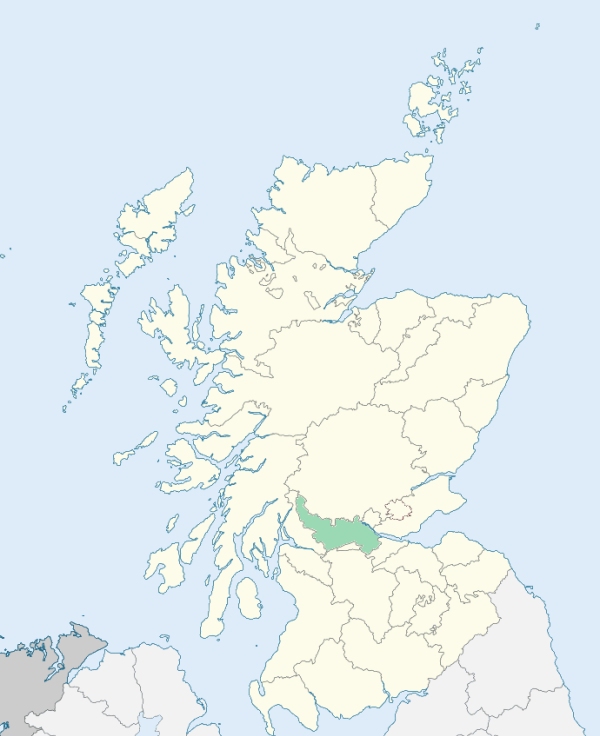
Campsie is a parish on the southern border of Stirlingshire. It is bounded on the south by Lanarkshire and Dumbartonshire, and on other sides by the parishes of Baldernock, Strathblane, Fintry, and Kilsyth. (1867: The Imperial Gazetteer of Scotland, by John Marius Wilson).
Balgrochan, Birdston or Birdstone, Campsie or Clachan of Campsie, Cannerton, Castle, Craigend, Haughhead, Lennoxtown, Milton, Torrance
Bancleroche, Craigbarnet
PRE-REFORMATION GOVERNANCE:
POST-REFORMATION GOVERNANCE:
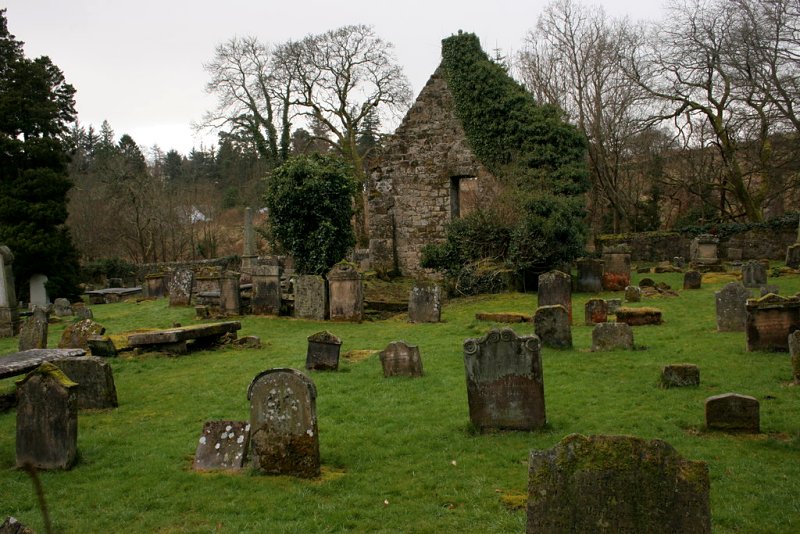
The parishes of Campsie and Antermony were united before the Reformation. St Machan was buried at Campsie, and to him its church was dedicated. St Machan's Well was near it. The church was a prebend of Glasgow, and belonged to the Abbey of Kelso. There is a mission church in the parish at Milton of Campsie.
Includes ministers, licentiates, assistants, readers, and clerks.
(1928: Fasti Ecclesiæ Scoticanæ, by Hew Scott, D. D.)
Parish registers turned over to the Registrar-General, as a result of the Registration of Births, Deaths, and Marriages (Scotland) Act of 1854. The letters B. D. and M. indicate Births (or Baptisms), Deaths (or Burials), and Marriages (or Proclamations of Banns) respectively. Numbers indicate separate volumes or books. Note: These records are by no means complete or without damage; consult the Detailed List of the Old Parochial Registers of Scotland (1872) to learn more about the condition of the records.
| OPR and RD Numbers | |||
|---|---|---|---|
| Date Range | Name | Number | Type |
| 1646-1854 | Campsie | 475 | OPR |
| 1855-1969 | Campsie | 475 | RD |
| 1970-1971 | Lennoxtown | 475 | RD |
| 1972-2001 | Lennoxtown | 475 | RD |
| 2009 | (Campsie) Stirling, Campsie | 475 | RD |
| 2009 | (Lennoxtown) East Dunbartonshire, Kirkintilloch and Lennoxtown | 508 | RD |
| 2026 | (Campsie) East Dunbartonshire Council; Campsie Community Council | ||
| 2026 | (Lennoxtown) East Dunbartonshire Council; Campsie Community Council | ||
(2009: Parishes and Registration Districts of Scotland - Old and New, National Records of Scotland)
Local community councils (2026) are provided as a potential source of additional information for settlements within the original boundaries of the parish. (Source)
Statistics from informal and official censuses
Brown, Buchanan, Campbell, Gray, Hunter, Morrison, Robertson, Scott, Stewart, Young
Note: Names appearing in research materials, other than censuses. Simple names (First name, surname only) have been omitted unless they appear associated with large properties. All women's names, and men's names with occupations, military ranks, or peerage titles are included.
By the Reverend Mr James Lapslie, Minister.
"This present year, 1793, when the numeration was made, there were 2517 souls. There are 609 householders; 1234 males, and 1292 females; 82 below 10 years of age.
In spring 1792, of the males, there were 96 farmers and graziers, 105 weavers, 8 tailors, 11 house carpenters, 6 mill-wrights, 9 blacksmiths, 5 shoemakers, 2 excise officers, 74 block printers, 6 stocking makers, 22 copperplate press-printers, 70 tearing boys, 46 colliers, 50 lime quarriers, 10 hillmen at the different pits, 10 carters and carriers, 10 labourers, 11 house servants to the gentry, 90 farmer and grazier servants, 17 publicans, 4 schoolmasters, 1 grave-digger, 7 millers, 7 lint-dressers and glovers, 11 shopkeepers and chandlers, 60 bleachers, and 16 dyers.
In spring 1792, of the females, there were 26 servants in gentleman's families, 110 menial servants to the farmers and different householders, 12 sempstresses and mantua makers, 3 midwives; of the married women and young persons, residing in their parents houses, there may be about 160 who pencil calico to the print-fields.
The inhabitants of this district, during the last, and early part of this century, were somewhat conspicuous for drinking and fighting with their neighbours: If any person in this parish, however mean his situation, had received an injury or affront from an inhabitant of another parish, his neighbours considered themselves bound to support him, and to avenge his quarrel: such conduct, however, seems to have proceeded more from pride and rustic gallantry, than from a settled malevolence of disposition. The more improved manners, and a more general intercourse with society, have, in a great measure, done away with this turbulent disposition; still the natives of Campsie may be considered as a keen tempered people, by no means averse to expose themselves to bodily danger at any time: the young people have no objection to a military life, being fond of novelty and adventure; during the present war, no less than 28 have enlisted in the land service, and seven have entered on board the navy; these remarks chiefly apply to the lower class of people. The gentry, for at least these 40 years, have been remarkable for their sobriety, decent behaviour, and economical habits; of course, they are all in prosperous circumstances; rigid economy was not the virtue of their forefathers."
(This section contains excerpts, at times restructured or paraphrased, from an article appearing in Statistical Account of Scotland, Sir John Sinclair, 1791-1799)
Primary Sources:
Statistical Account of Scotland (1791-1799), Volume 15, p. 314
New Statistical Account of Scotland (1834-1845), Volume 8, Section II, p. 234
See Parish Page Sources for all source information and links.