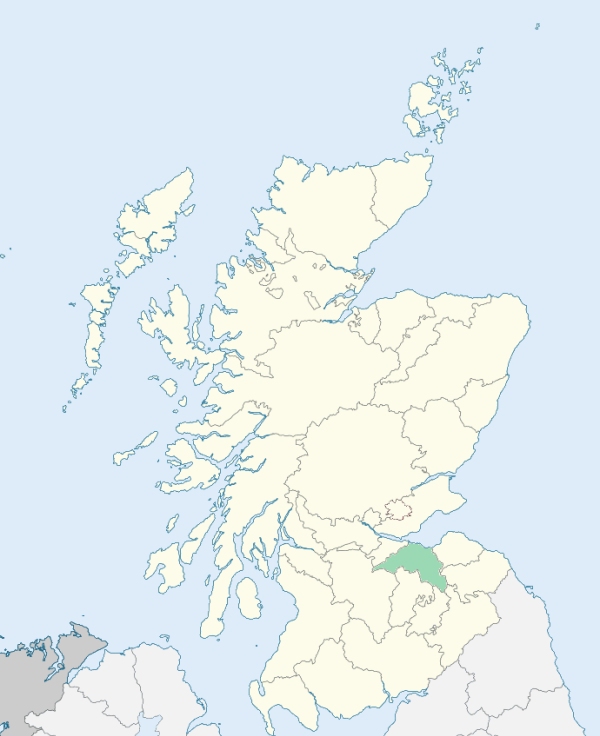
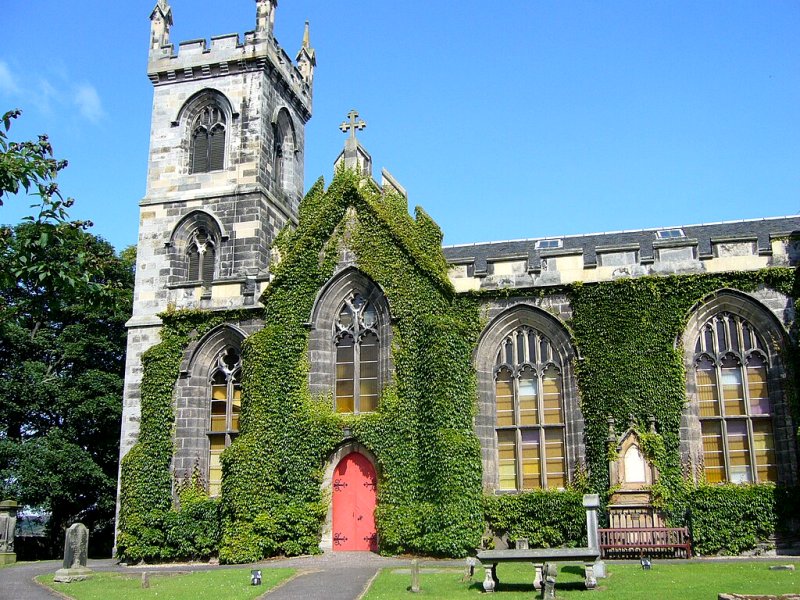
Liberton is a parish in Edinburghshire. It extends from near the eastern termination of the Pentland Hills to within a few yards of the Firth of Forth at Magdalene Bridge, and from the immediate vicinity of Edinburgh to within a mile of Dalkeith. It is bounded by the parishes of St Cuthberts, Duddingston, Inveresk, Newton, Dalkeith, Lasswade, and Colinton. (1867: The Imperial Gazetteer of Scotland, by John Marius Wilson).
Burdiehouse, Cameron Bridge, Craigs, Echobank, Edgehead, Gilmerton, Greenend, Howdens Hall, Kames, Kirk-Liberton, Liberton, Liberton Dams, Little France, Moredun, Nether Liberton, New Craighall, Niddry, Niddry Mill, Oakbank, Stenhouse, Straiton
Drum, Morton Hall
PRE-REFORMATION GOVERNANCE:
POST-REFORMATION GOVERNANCE:
Belonged before the Reformation to the Abbey of Holyroodhouse. The church was dedicated to the Virgin Mary.
Disjoined Quoad Sacra Parishes:
Gilmerton. The church was opened 20 April 1837. The district attached to it, all within the civil parish of Liberton, was by the Court of Teinds erected into a parish quoad sacra, 18 July 1860.
Includes ministers, licentiates, assistants, readers, and clerks.
Liberton (QO)
Gilmerton (QS)
Mayfield (QS)
Prestonfield (QS)
(1928: Fasti Ecclesiæ Scoticanæ, by Hew Scott, D. D.)
Parish registers turned over to the Registrar-General, as a result of the Registration of Births, Deaths, and Marriages (Scotland) Act of 1854. The letters B. D. and M. indicate Births (or Baptisms), Deaths (or Burials), and Marriages (or Proclamations of Banns) respectively. Numbers indicate separate volumes or books. Note: These records are by no means complete or without damage; consult the Detailed List of the Old Parochial Registers of Scotland (1872) to learn more about the condition of the records.
| OPR and RD Numbers | |||
|---|---|---|---|
| Date Range | Name | Number | Type |
| 1624-1854 | Liberton | 693 | OPR |
| 1855-1920 | Liberton | 693 | RD |
| 1921-1929 | Liberton (City of Edinburgh) | 685-15 | RD |
| 1930-1932 | Liberton | 685-14 | RD |
| 2009 | City of Edinburgh, Central | 746 RD | |
| 2026 | City of Edinburgh Council; Liberton and District Community Council | ||
(2009: Parishes and Registration Districts of Scotland - Old and New, National Records of Scotland)
Local community councils (2026) are provided as a potential source of additional information for settlements within the original boundaries of the parish. (Source)
Statistics from informal and official censuses
Brown, Denholm, Hutchison, Mitchell, Robertson, Scott, Smith, Thomson, Wilson, Wright
Note: Names appearing in research materials, other than censuses. Simple names (First name, surname only) have been omitted unless they appear associated with large properties. All women's names, and men's names with occupations, military ranks, or peerage titles are included.
By the late Reverend Thomas Whyte, of Stockbriggs.
"The parish is more populous than any other country parish in the Presbytery of Edinburgh, that of St Cuthberts excepted, and contains 3457 souls, whereof 755 reside in Gilmerton, where there is a lime works and a colliery. In this parish are three villages of the name of Liberton: Kirk Liberton, Nether Liberton, and Upper and Over Liberton.
The limestone quarries at Gilmerton employ 35 men. There is no place where the poorer sort, who are able or inclined to work, meet with more encouragement than here. Not to mention the draw kiln at Bourdeaux; not to mention the collieries; not to mention those who are employed in the public roads, or those whom the farmers are obliged continually to employ, the quarries, the lime kilns, afford work to great numbers.
Many also earn their bread by driving of carts, and they live decently, and become independent. There are no fewer than 131 persons in the parish, who, with their families, depend mainly on the driving of carts. There are not nearly so many in any other line; there being only 30 farmers, 12 smiths, 14 masons, 17 weavers, and 12 tailors. A great many of the females are employed in washing of clothes, and find their advantage in it."
(This section contains excerpts, at times restructured or paraphrased, from an article appearing in Statistical Account of Scotland, Sir John Sinclair, 1791-1799)
Primary Sources:
Statistical Account of Scotland (1791-1799), Volume 6, p. 506
New Statistical Account of Scotland (1834-1845), Volume 1, p. 1
See Parish Page Sources for all source information and links.