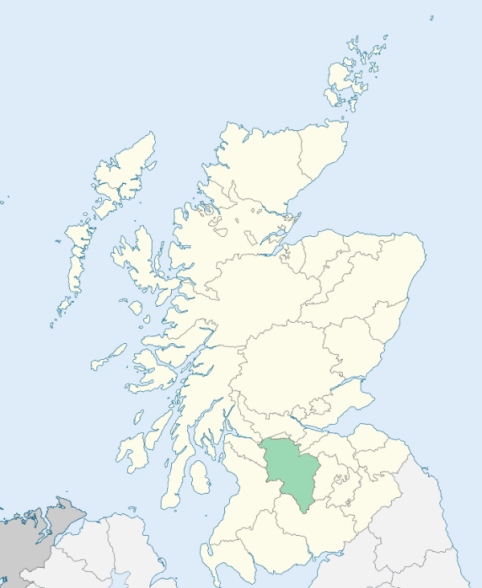
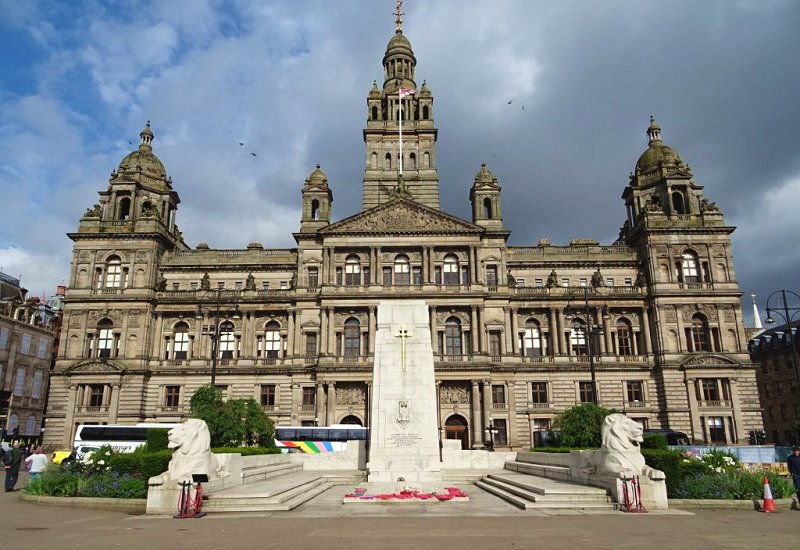
Glasgow is situated in the lower ward or division of the county of Lanark, on both banks of the River Clyde, but chiefly on the north side. By the the old mail turnpike road, it is 43 miles west of Edinburgh, 23 east of Greenock, 34 north-northeast of Ayr, 79 north-northwest of Dumfries, and 396 miles northwest by north of London. (1867: The Imperial Gazetteer of Scotland, by John Marius Wilson)
Anderston, Balgray, Blythswoodholm, Bridgetown, Burnbutts, Camlachie, Cowcaddens, Crosshill, Crossmyloof, East Pollokshields, Finnieston, Govanhill, Hutchesontown, Kelvinshaugh, Kingston, Langside, Lauriston, Maryhill, Mile End, Parkhead, Polmadie, Port Dundas, Possilpark, Sandyford, Shawlands, Sighthill, Springburn, St Rollox, Strathbungo, Tradeston, West Pollokshields, Woodside
The city of Glasgow, as defined by the City of Glasgow Act, 1891, is partly in Lanarkshire and partly in Renfrewshire. Clause III proposes to put the whole of the extended city in the county of Lanark. The subjects so to be transferred are far too numerous to detail. They are situated partly in the:
Parish of Govan - Polmadei, Strathbungo, Pollokshields, Pollokshields East
Parish of Cathcart - Crosshill, Crossmyloof, Langside, Mount Florida
Parish of Eastwood - Shawlands
The effect of the change just described would be to place the parish of Govan wholly in Lanarkshire, with the exception of the police burgh of Kinning Park, which would remain in Renfrewshire. See affected properties and landholders. (1892: Boundary of counties and parishes in Scotland as settled by the Boundary Commissioners under the Local Government Act, 1889, by Hay Shennan)
PRE-REFORMATION GOVERNANCE:
POST-REFORMATION GOVERNANCE:
Blackfriars, or College Parish. On the east side of the High Street of Glasgow a convent of the Dominicans or Black Friars was founded in 1244. It was dedicated to St Mary. After the Reformation, this property was granted to the University of Glasgow. In 1622 the church of the Black Friars was rebuilt, and it became known as the College Church. In 1635 it was made over to serve as an additional church for the city. In 1666 the church was burned down. It was rebuilt in 1699. In 1877 a new church for the parish was built at Westercraigs, near Dennistoun.
Calton. A chapel built here was opened in 1793. On 31 May 1834 a constitution was granted to it. On 1 July 1849, the parish of Calton was erected quoad omnia.
Maryhill. Mission work was begun here in 1824. On 31 May 1834, the General Assembly granted a constitution to the chapel at Maryhill. The parish was erected quoad omnia on 10 July 1850.
St Andrew's, previously The Wynd. In 1687 the Wynd Church was built for the worship of the Presbyterians. In 1691 it was made the church of a new parish for the city of Glasgow. In 1739 a start was made with the building of a church here called St Andrew's. It was not finished, however, till 1756. In 1761 this new building became the parish church, and the Wynd Parish has since then been called St. Andrew's.
St David's, previously North-West Parish, or Ramshorn. This parish was erected in 1718, and its church was built in 1720. It was sometimes called the North-West Parish, but generally it was styled Ramshorn, that being the name of the lands upon which the church was built. In 1825 Ramshorn Church was rebuilt, and since then both the church and the parish have been called St David's.
St Enoch's. St Thenew, the mother of St Mungo, died at Glasgow. Her place of burial was in what is now St Enoch Square. In later times a chapel of St Thenew covered her grave, and around it there was a little burial-ground. In 1780 when an additional parish was to be marked out for the growing city of Glasgow, the place for its church was near where St Thenew's Chapel had stood of old. So the new church was built there, and called by the saint's name in the altered form then commonly used. St Enoch's Church was rebuilt in 1827.
St George's, previously Wynd, or West Parish. In 1761 it was found necessary to form a parish for what was then the western part of Glasgow. The Wynd Church was then standing vacant, being no longer needed for St Andrew's Parish. Accordingly that church was restored, and became the West Parish Church. In 1807 a new church was built instead of it, on a different site. This was called St George's, and the same name was then given to the West Parish. There is within the bounds a mission chapel called St Michael's.
St James's. In 1816 a Methodist Church was built in Great Hamilton Street. The building was afterwards acquired by the Church of Scotland, and mission work was carried on in the neighbourhood. St James's Parish was erected on 7 June 1820.
St John's. Mission work was begun here on 21 April 1817. The church was opened on 26 September 1819, and in that year the parish of St John was erected by the Lords Commissioners of Teinds.
St Luke's. In February 1836 mission work was begun in the western part of the parish of Calton. On 30 May of that year the General Assembly granted a constitution to the chapel here. A church was then built, and was opened in 1837. St Luke's Parish was disjoined from Calton on 11 February 1863.
St Mungo's, or High Church. Until 1595 St Mungo was the only parish of Glasgow, including the city and the Archbishop's adjoining lands, which became the Barony of Glasgow. After the Reformation the Cathedral remained the parish church, and such it has never ceased to be. It is also the High Kirk of Glasgow, and is sometimes so called, but St Mungo's has always been the distinctive name of the parish. As early as 1322 there were Grey Friars settled in Glasgow. The Grey Friars' Wynd marks the site of a convent of theirs, founded in 1476. On the east side of the High Street was the house of the Black Friars, dedicated to Our Lady and St John the Evangelist. St Peter's Fair in summer is still one of the events of the year in Glasgow.
St Paul's, previously East Parish. In 1648 there was fitted up in the nave of Glasgow Cathedral a separate place of worship for the eastern part of the city. This was known as the Outer High Kirk, and belonged to the East Parish. In 1835 a separate church was built for the parish. It was named St Paul's Church, and the same name was then given to the East Parish. In 1907 St Paul's Church was rebuilt on a new site. There is a mission chapel within the bounds at Shuttle Street.
The Tron, previously The Laigh Kirk. The Collegiate Church of Our Lady and St Anne was founded in 1528. It soon came to be known as the Laigh Kirk, in contrast to the High or Cathedral Kirk. In 1592 the Laigh Kirk was put in order for the use of a new division of the city, which soon became the Tron Parish. On 8 February 1793, the Laigh Kirk was burned down, the tower only being left. In 1794 the Tron Kirk was rebuilt.
Also see Glasgow Disjoined Quoad Sacra Parishes
Includes ministers, licentiates, assistants, readers, and clerks.
Note: Also see Glasgow Quoad Sacra Parishes clergy
Blackfriars, or College Parish (QO)
Calton (QO)
Gorbals (QO)
Maryhill (QO)
St Andrew's, or The Wynd (QO)
St David's, or North-West Parish, or Ramshorn (QO)
St Enoch's (QO)
St George's, or Wynd, or West Parish (QO)
St James's (QO)
St John's (QO)
St Luke's (QO)
St Mungo's, or High Church (QO)
St Mungo's, Collegiate (QO)
St Paul's, or East Parish (QO)
The Tron, or Laigh Kirk (QO)
(1928: Fasti Ecclesiæ Scoticanæ, by Hew Scott, D. D.)
Parish registers turned over to the Registrar-General, as a result of the Registration of Births, Deaths, and Marriages (Scotland) Act of 1854. The letters B. D. and M. indicate Births (or Baptisms), Deaths (or Burials), and Marriages (or Proclamations of Banns) respectively. Numbers indicate separate volumes or books. Note: These records are by no means complete or without damage; consult the Detailed List of the Old Parochial Registers of Scotland (1872) to learn more about the condition of the records.
| OPR and RD Numbers | |||
|---|---|---|---|
| Date Range | Name | Number | Type |
| 1609-1854 | Glasgow | 644-1 | OPR |
| 1771-1854 | Gorbals | 644-2 | OPR |
| 1855-1874 | Central District | 644-1 | RD |
| 1855-1874 | High Church | 644-2 | RD |
| 1855-1874 | Bridgeton | 644-3 | RD |
| 1855-1874 | Calton | 644-4 | RD |
| 1855-1874 | Clyde | 644-5 | RD |
| 1855-1874 | Blythswood | 644-6 | RD |
| 1855-1874 | Milton | 644-7 | RD |
| 1855-1874 | Anderston | 644-8 | RD |
| 1855-1874 | Tradeston | 644-9 | RD |
| 1855-1874 | Hutchesontown | 644-10 | RD |
| 1875-1934 | Bridgeton | 644-1 | RD |
| 1875-1934 | Camlachie | 644-2 | RD |
| 1875-1906 | Dennistoun | 644-4 | RD |
| 1875-1906 | Blackfriars | 644-5 | RD |
| 1875-1906 | St Rollox | 644-6 | RD |
| 1875-1906 | Blythswood | 644-7 | RD |
| 1875-1906 | Milton | 644-8 | RD |
| 1875-1906 | Kelvin | 644-9 | RD |
| 1875-1906 | Anderston | 644-10 | RD |
| 1875-1906 | Hutchesontown | 644-11 | RD |
| 1875-1906 | Gorbals | 644-12 | RD |
| 1875-1906 | Tradeston | 644-13 | RD |
| 1875-1906 | Kinning Park | 644-14 | RD |
| 1907-1934 | Calton | 644-3 | RD |
| 1907-1934 | Dennistoun | 644-4 | RD |
| 1907-1934 | Garngadhill | 644-5 | RD |
| 1907-1934 | Springburn | 644-6 | RD |
| 1907-1934 | Possilpark | 644-7 | RD |
| 1907-1934 | St Rollox | 644-8 | RD |
| 1907-1934 | Milton | 644-9 | RD |
| 1907-1934 | Blythswood | 644-10 | RD |
| 1907-1934 | Anderston | 644-11 | RD |
| 1907-1934 | Hillhead | 644-12 | RD |
| 1907-1934 | Kelvin | 644-13 | RD |
| 1907-1934 | Maryhill | 644-14 | RD |
| 1907-1934 | Hutchesontown | 644-15 | RD |
| 1907-1934 | Govanhill | 644-16 | RD |
| 1907-1934 | Gorbals | 644-17 | RD |
| 1907-1934 | Pollokshields | 644-18 | RD |
| 1913-1934 | Shettleston | 644-19 | RD |
| 1913-1934 | Plantation | 644-20 | RD |
| 1913-1934 | Govan | 644-21 | RD |
| 1913-1934 | Partick | 644-22 | RD |
| 1926-1934 | Scotstoun and Yoker | 644-23 | RD |
| 1927-1934 | Cathcart | 644-24 | RD |
| 1927-1934 | Eastwood | 644-25 | RD |
| 1935-1955 | Shettleston | 644-1 | RD |
| 1935-1963 | Bridgeton | 644-2 | RD |
| 1935-1955 | Camlachie | 644-3 | RD |
| 1935-1955 | Provan | 644-4 | RD |
| 1935-1955 | Springburn | 644-5 | RD |
| 1935-1955 | Townhead | 644-6 | RD |
| 1935-1955 | College | 644-7 | RD |
| 1935-1955 | Blythswood | 644-8 | RD |
| 1935-1955 | Kelvingrove | 644-9 | RD |
| 1935-1955 | Milton | 644-10 | RD |
| 1935-1955 | Possilpark | 644-11 | RD |
| 1935-1955 | Maryhill | 644-12 | RD |
| 1935-1955 | Hillhead | 644-13 | RD |
| 1935-1955 | Partick | 644-14 | RD |
| 1935-1955 | Gorbals | 644-15 | RD |
| 1935-1955 | Tradeston | 644-16 | RD |
| 1935-1955 | Govan | 644-17 | RD |
| 1935-1955 | Pollok | 644-18 | RD |
| 1935-1955 | Cathcart | 644-19 | RD |
| 1956-1963 | Provan | 644-1 | RD |
| 1956-1963 | Dennistoun | 644-3 | RD |
| 1956-1963 | Springburn | 644-4 | RD |
| 1956-1963 | Milton | 644-5 | RD |
| 1956-1963 | Blythswood | 644-6 | RD |
| 1956-1963 | Kelvin | 644-7 | RD |
| 1956-1963 | Partick | 644-8 | RD |
| 1956-1963 | Tradeston | 644-9 | RD |
| 1956-1963 | Govan | 644-10 | RD |
| 1956-1963 | Pollok | 644-11 | RD |
| 1956-1963 | Cathcart | 644-12 | RD |
| 1964-1964 | Glasgow South | 644-1 | RD |
| 1964-1964 | Glasgow North | 644-2 | RD |
| 1965-1971 | Glasgow | 644 | RD |
| 1972-2009 | Glasgow | 621-624 | RD |
| 2026 | (Anderston) Glasgow City Council; Anderston Community Council | ||
| 2026 | (Blackfriars) Glasgow City Council; Merchant City and Trongate Community Council | ||
| 2026 | (Blythswood) Glasgow City Council; Blythswood and Broomielaw Community Council | ||
| 2026 | (Bridgeton) Glasgow City Council; Bridgeton and Dalmarnock Community Council | ||
| 2026 | (Calton) Glasgow City Council; Calton Community Council | ||
| 2026 | (Camlachie) Glasgow City Council; Barrowfield and Camlachie Community Council | ||
| 2026 | (Cathcart) Glasgow City Council; Cathcart, Merrylee and Muirend Community Council Simshill and Old Cathcart Community Council | ||
| 2026 | (Clyde) West Dunbartonshire Council; Clydebank East Community Council | ||
| 2026 | (Dennistoun) Glasgow City Council; Dennistoun Community Council | ||
| 2026 | (Garnagadhill) Glasgow City Council; Sighthill, Royston and Germiston Community Council | ||
| 2026 | (Gorbals) Glasgow City Council; Laurieston Community Council | ||
| 2026 | (Govan) Glasgow City Council; Govan Community Council Drumoyne Community Council | ||
| 2026 | (Govanhill) Glasgow City Council; Crosshill and Govanhill Community Council | ||
| 2026 | (High Church) Glasgow City Council; Townhead and Ladywell Community Council | ||
| 2026 | (Hillhead) Glasgow City Council; Hillhead Community Council | ||
| 2026 | (Hutchesontown) Glasgow City Council; Hutchesontown Community Council | ||
| 2026 | (Kelvin) Current Glasgow City Council; Dowanhill, Hyndland and Kelvinside Community Council Kelvindale Community Council North Kelvin Community Council | ||
| 2026 | (Kinning Park) Glasgow City Council; Kinning Park Community Council | ||
| 2026 | (Maryhill) Glasgow City Council; Central Maryhill Community Council North Maryhill, Acre and Summerston Community Council Ruchill Community Council | ||
| 2026 | (Milton) Glasgow City Council; Milton Community Council | ||
| 2026 | (Partick) Glasgow City Council; Partick Community Council | ||
| 2026 | (Plantation) Glasgow City Council; Kinning Park Community Council | ||
| 2026 | (Pollock) Glasgow City Council; Pollokshields Community Council | ||
| 2026 | (Possilpark) Glasgow City Council; Possilpark Community Council | ||
| 2026 | (Provan) Glasgow City Council; Easterhouse Community Council | ||
| 2026 | (St Rollox) Glasgow City Council; Sighthill, Royston and Germiston Community Council | ||
| 2026 | (Scotstoun and Yoker) Glasgow City Council; Scotstoun Community Council Yoker Community Council | ||
| 2026 | (Shettleston) Glasgow City Council; Shettleston Community Council | ||
| 2026 | (Springburn) Glasgow City Council; Springburn Community Council | ||
| 2026 | (Townhead) Glasgow City Council; Townhead and Ladywell Community Council | ||
| 2026 | (Tradeston) Glasgow City Council; Kinning Park Community Council | ||
(2009: Parishes and Registration Districts of Scotland - Old and New, National Records of Scotland)
Local community councils (2026) are provided as a potential source of additional information for settlements within the original boundaries of the parish. (Source)
Statistics from informal and official censuses
Anderson, Brown, Campbell, Miller, Murray, Robertson, Smith, Stewart, Thomson, Wilson
Note: Names appearing in research materials, other than censuses. Simple names (First name, surname only) have been omitted unless they appear associated with large properties. All women's names, and men's names with occupations, military ranks, or peerage titles are included.
From the Communications of several respectable Inhabitants of the City.
"The population of Glasgow will be found by considering it as connected with its suburbs, from an enumeration of these made in the year 1791, as follows: 41777 within the city, 6695 in the village of Caltoun, 3895 in the village of Anderston, 896 in Grahamston, 6448 in Gorbals, 1257 in Cowcaddins, Parkhouse, &c. and 977 in Camlachie; for a total of 61945.
As to the manners of the people in general, they are, for the most part, industrious, and still economical. They are in general contented and happy in their situation. They grumble at taxes, and the high prices of provisions; and some of the more ambitious wish for some more political consequence, than they at present enjoy, under the laws of the Scottish burghs. Riches in Glasgow were formerly the portion of a few merchants. These, from the influence of the manufactures, are now diffusing themselves widely among a great number of manufacturers, mechanics, and artisans. This has made an alteration in the houses, dress, furniture, education and amusements of the people of Glasgow within a few years, which is astonishing to the older inhabitants; and has been followed by a proportional alteration in the manners, customs, and style of living of the inhabitants. And as many of the merchants have of late years been engaging in manufactures and trade, the distance in point of rank and consequence, between merchants and tradesmen, has now become less conspicuous, than it was before the American war.
There is now a great more industry on six days of the week, and a great deal more dissipation and licentiousness on the seventh. Great crimes were formerly very uncommon; but now robberies, housebreakings, swindling, pickpockets, pilferers, and consequently executions are become more common. These delinquents, as well as common prostitutes, are often little advanced above childhood; and yet a healthy child of 7 or 8 years, or at most of 10 years of age, can now earn a very decent subsistence from some of the numerous manufactures established among us."
(This section contains excerpts, at times restructured or paraphrased, from an article appearing in Statistical Account of Scotland, Sir John Sinclair, 1791-1799)
Primary Sources:
Statistical Account of Scotland (1791-1799), Volume 5, p. 488
New Statistical Account of Scotland (1834-1845), Volume 6, p. 101
See Parish Page Sources for all source information and links.