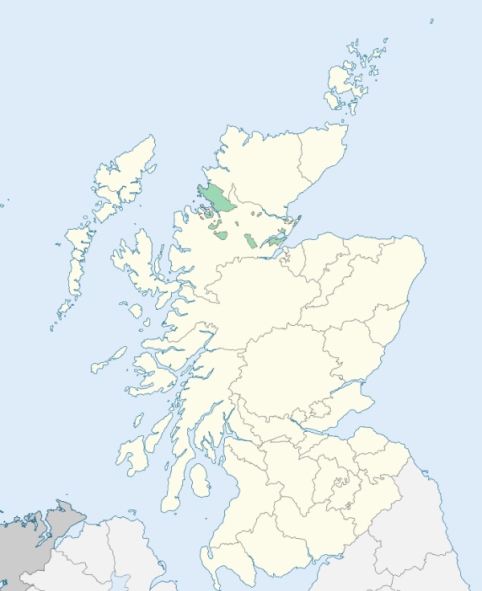
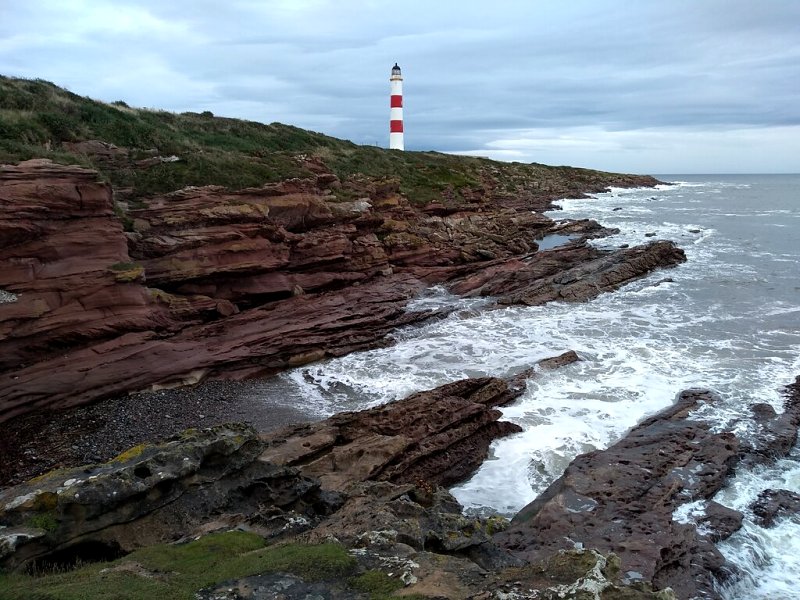
Tarbat is a parish in the extreme north-east of the counties of Ross and Cromarty. It is bounded by the Dornoch Firth, the Moray Firth, and the parish of Fearn. (1867: The Imperial Gazetteer of Scotland, by John Marius Wilson).
Alltansallach, Balnabruach, Portmahomack, Rockfield
Geanies
PRE-REFORMATION GOVERNANCE:
POST-REFORMATION GOVERNANCE:
The vicarage of Tarbat belonged to the Abbey of Fearn. The parish church was dedicated to St Colmog. Not far from it were Wells of St Colmog and St Mary. At Alltansallach stood a chapel of St Bride. Other chapels and shrines in this parish were dedicated to St Colmog, St Kiaran, St Finn Barr, and St John the Baptist.
Includes ministers, licentiates, assistants, readers, and clerks.
(1928: Fasti Ecclesiæ Scoticanæ, by Hew Scott, D. D.)
Parish registers turned over to the Registrar-General, as a result of the Registration of Births, Deaths, and Marriages (Scotland) Act of 1854. The letters B. D. and M. indicate Births (or Baptisms), Deaths (or Burials), and Marriages (or Proclamations of Banns) respectively. Numbers indicate separate volumes or books. Note: These records are by no means complete or without damage; consult the Detailed List of the Old Parochial Registers of Scotland (1872) to learn more about the condition of the records.
| OPR and RD Numbers | |||
|---|---|---|---|
| Date Range | Name | Number | Type |
| 1801-1854 | Tarbat | 83 | OPR |
| 1855-1971 | Tarbat | 83 | RD |
| 1972-2006 | Tarbat | 194 | RD |
| 2009 | Highland, Tarbat | 194 | RD |
| 2026 | Highland Council; Tarbat Community Council | ||
(2009: Parishes and Registration Districts of Scotland - Old and New, National Records of Scotland)
Local community councils (2026) are provided as a potential source of additional information for settlements within the original boundaries of the parish. (Source)
Statistics from informal and official censuses
Duff, Fraser, MacDonald, MacKay, Mackenzie, MacLeod, Munro, Ross, Skinner, Urquhart
Note: Names appearing in research materials, other than censuses. Simple names (First name, surname only) have been omitted unless they appear associated with large properties. All women's names, and men's names with occupations, military ranks, or peerage titles are included.
By the Reverend Mr George Balfour.
"There are in this parish, in 1792, 300 families or houses, 72 widowers and widows, 59 farmers, 150 male servants, 118 female servants, 41 fishermen, 11 millers and wrights, 12 weavers, 12 shoemakers, 11 tailors, 5 smiths, and 2 masons. There is now living in the parish a female dwarf, aged betwixt 30 and 40, who measures only 34 inches in height; there is no other deformity about her. Gaelic being the common language of the people, the greater part of religious service on Sundays is performed in that language. Many of the inhabitants are taught to read English, and some who cannot read, understand a little of it in common conversation; but in general, they prefer Gaelic.
There are only two public houses in the parish, and these little frequented but by strangers. Industry is not confined to the work of the farmer without doors, but within also, the mistress of the house and the other females are employed in preparing webs from the wool and lint raised on the farm, partly for family use, and partly for sale, and there is scarce a house inhabited by the inferior class of people, in which does not go on spinning of hemp or flax, given out by persons employed for the manufactures of sailcloth and linen yarn established at Cromarty and Inverness."
(This section contains excerpts, at times restructured or paraphrased, from an article appearing in Statistical Account of Scotland, Sir John Sinclair, 1791-1799)
Primary Sources:
Statistical Account of Scotland (1791-1799), Volume 6, p. 417
New Statistical Account of Scotland (1834-1845), Volume 14, Section II, p. 460
See Parish Page Sources for all source information and links.